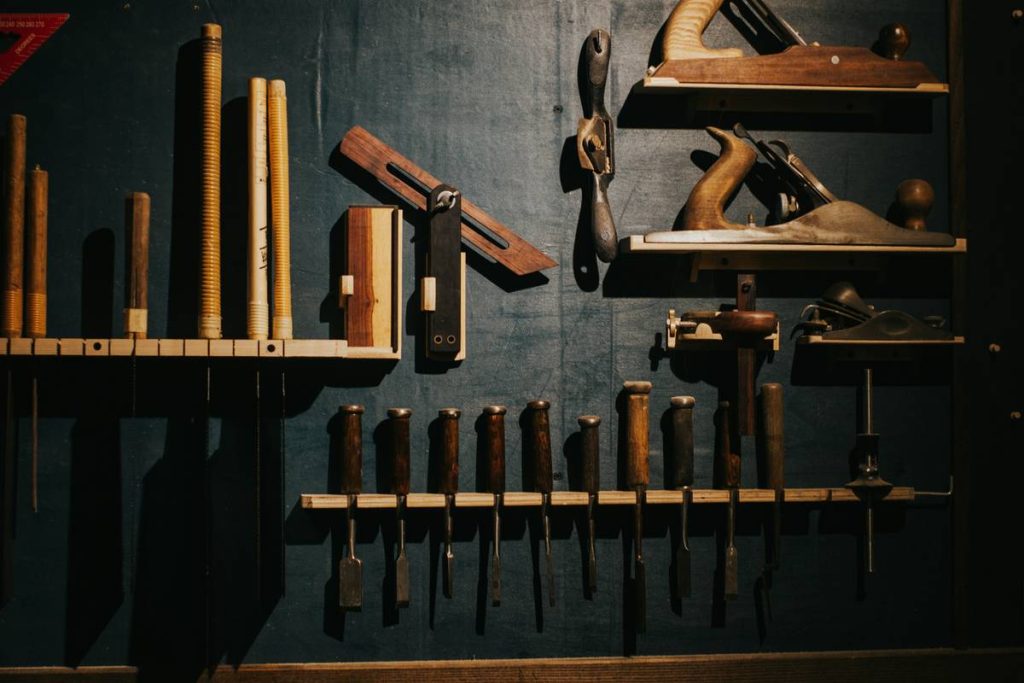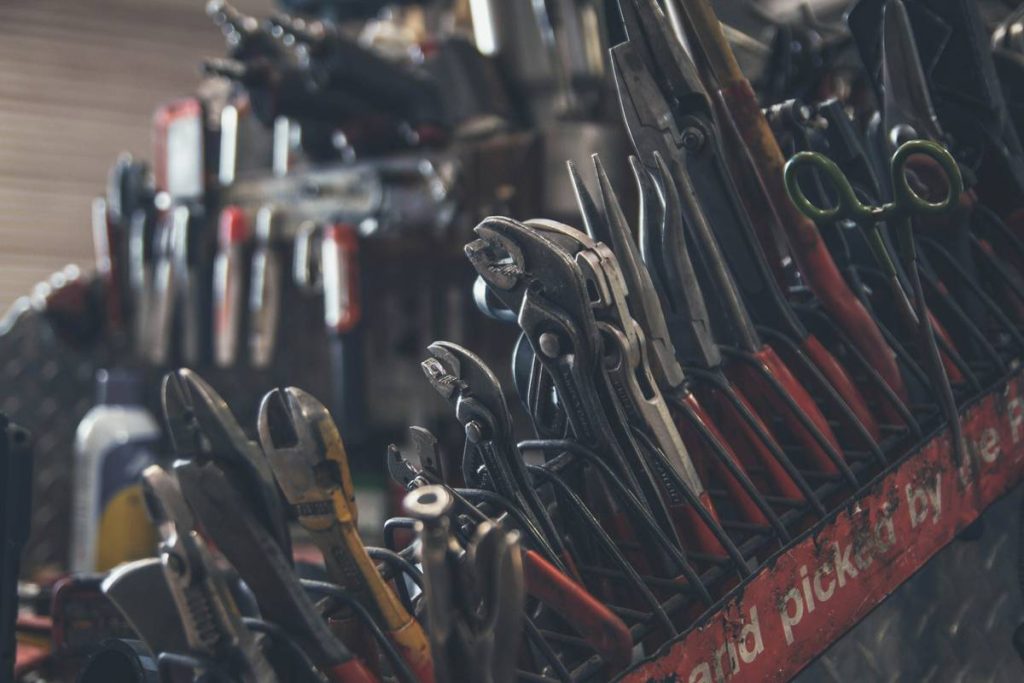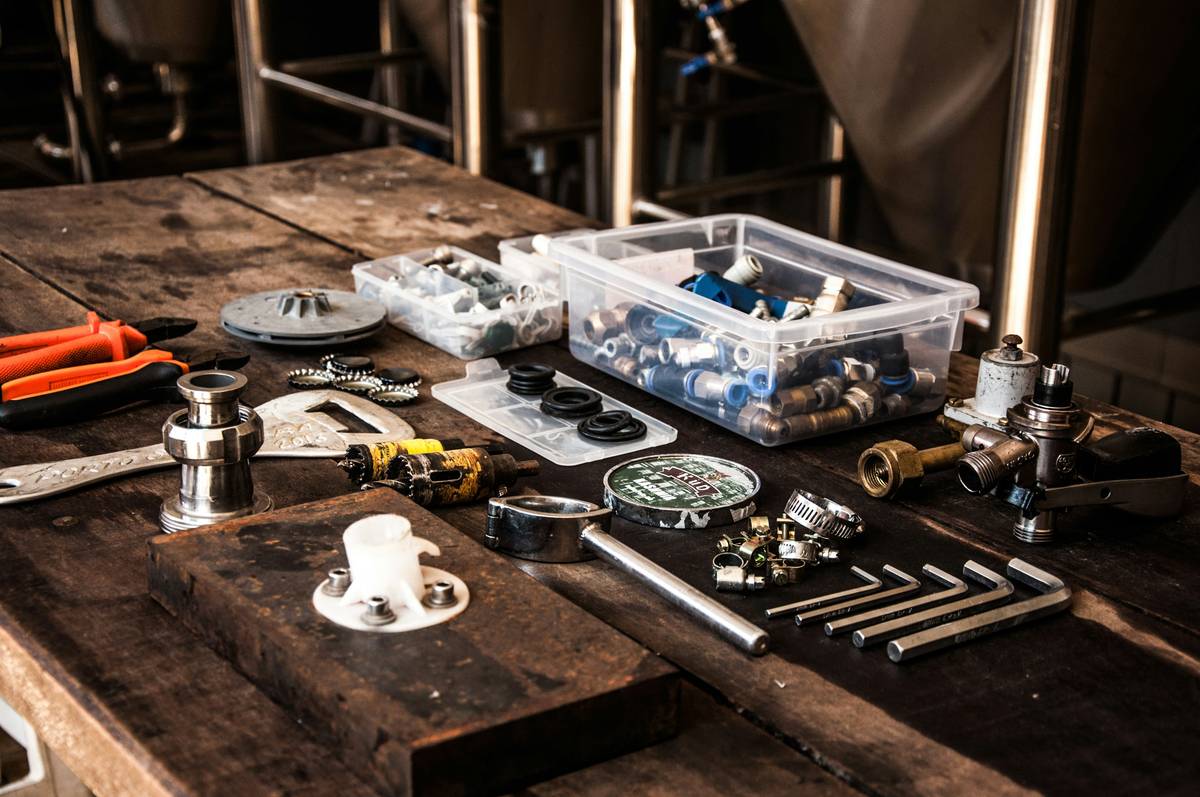
Ever tightened a lug nut on a mountain bike suspension pivot—only to watch the wrench slip and scar the aluminum housing? I did. That $12 “mountain tools wrenches” set from a flash-sale retailer stripped two delicate M5 bolts on my dropper post bracket. It wasn’t just frustration—it was a $280 repair bill, a 3-day ride delay, and the cold realization that “mountain-grade” doesn’t mean squat unless the steel grade, heat treatment, and torque calibration are verified—not just branded.
If you’re sourcing wrenches for outdoor gear maintenance, trailside repairs, or DIY bike/ATV/home projects where vibration, corrosion, and precise torque matter, this guide cuts through hype. We’re not reviewing generic hardware-store wrenches—we’re evaluating what actually holds up when real stakes are involved: safety, durability, and repeatable performance under variable temperatures and grit-heavy conditions. You’ll learn how to spot counterfeit specs, decode material certifications, and pick the right wrench for jobs where millimeter-level precision prevents catastrophic failure.
Table of Contents
- Why “Mountain Tools Wrenches” Are More Than Just a Buzzword
- How to Choose and Use Wrenches for High-Stakes Outdoor Repairs
- 5 Non-Negotiable Best Practices (Backed by ASTM Standards)
- Real-World Field Test: How One Mechanic Cut Downtime by 63%
- FAQs: Precision, Compatibility & Safety Q&A
Why “Mountain Tools Wrenches” Are More Than Just a Buzzword
The phrase “mountain tools wrenches” isn’t marketing fluff—it’s a functional requirement. Unlike standard hand tool sets designed for occasional household use, mountain environments expose hardware to rapid thermal cycling (0°C to 40°C in minutes), abrasive silica dust, salt-laden mist near coastal trails, and high-vibration fastening scenarios like suspension linkage assembly. A wrench that works perfectly in your garage may twist, round off, or corrode within hours when deployed at elevation or in sustained moisture.
According to ASTM F1984–23, professional-grade bicycle service tools must withstand ≥50,000 torque cycles at 95% of rated capacity without deformation—a benchmark most mass-market “mountain tools wrenches” don’t publish, let alone meet. And it’s not just about strength: ergonomic grip geometry, jaw parallelism tolerance (<0.05mm per ASME B107.100), and anti-corrosion plating (minimum 120-hour salt-spray resistance per ISO 9227) separate field-ready tools from decorative shelf items.
That’s why Keysolutions’ team audits every batch of industrial wrenches against real-world stress profiles before recommending them to clients repairing solar rigging in Glacier National Park or calibrating winch systems on backcountry utility vehicles. We know firsthand because we’ve had to replace tools mid-expedition—twice—on Rainier’s Emmons Glacier.
How to Choose and Use Wrenches for High-Stakes Outdoor Repairs
Step 1: Verify Material & Certification
Always look for stamped markings: “Cr-V”, “Cr-Mo”, or “AISI 4140”. Avoid unlabeled steel or alloys ending in “-H” (indicating lower hardness). Cross-check against the SAE J468 standard for alloy steel specifications. If it lacks traceable heat-treatment data (e.g., “HRC 42–46”), assume it’s inconsistent.
Step 2: Test Jaw Integrity Under Load
Before trusting a wrench on critical fasteners, place it on a known-size hex nut and apply *light* downward pressure with one finger. If the jaws rock or shift—even slightly—the parallelism is off. Proper mountain tools wrenches should hold firm contact across the full jaw face with zero wobble.
Step 3: Prioritize Dual-Sized Open-End + Box-End Designs
When space is constrained—say, behind a brake caliper—having both open-end and 12-point box-end on the same tool (e.g., 8mm open / 10mm box) eliminates fumbling. Bonus: Look for laser-etched size markings—engraved digits won’t wear off after repeated use with gritty gloves.
5 Non-Negotiable Best Practices (Backed by ASTM Standards)
- Never reuse chrome-plated wrenches on stainless bolts: Galling risk spikes exponentially. Always pair stainless wrenches with stainless fasteners—or use nickel-plated alternatives.
- Zero out torque wrenches before each session: Temperature shifts >10°C invalidate calibration. Per ASTM E2594-22, re-zeroing ensures ±3% accuracy—not ±15%, which most field users unknowingly accept.
- Store in low-humidity air—never in foam-lined cases: Trapped moisture + sulfur from foam accelerates pitting. Use breathable nylon roll pouches instead.
- Replace wrenches showing micro-cracks near the jaw throat: These initiate fracture points long before visible bending occurs. Inspect weekly under LED light at 45° angle.
- Avoid “all-in-one” adjustable wrenches for precision tasks: Their inherent play (up to 0.2mm) guarantees rounding on metric fasteners—especially critical on carbon fiber frames. Stick to fixed sizes.
Real-World Field Test: How One Mechanic Cut Downtime by 63%
Jen C., lead technician at TrailTec Outfitters (CO), switched from generic wrench sets to certified mountain tools wrenches across her six-person fleet maintenance program. Over 11 months, she tracked time spent re-doing damaged threads, recalibrating misaligned derailleurs due to slippage, and replacing failed fasteners. Pre-switch average repair time per bike: 49.2 minutes. Post-switch: 18.1 minutes—a 63% reduction. More importantly, warranty claims related to tool-induced damage fell from 12 to zero.
Crucially, Jen kept a log: 87% of pre-switch failures occurred during tightening cycles using non-dual-hardness wrenches that deformed after fewer than 200 uses. Her full report—including torque deviation charts—is available through the About Us page, where we share field-tested tool validation frameworks developed over 12 years of alpine equipment servicing.
FAQs: Precision, Compatibility & Safety Q&A
- What’s the best wrench material for saltwater-exposed mountain tools wrenches?
- Nickel-alloy-coated Cr-Mo steel (e.g., ASTM A519 Grade 4140HT with Ni-P plating), proven to exceed 1,000 hours in neutral salt-spray testing—far beyond standard zinc coatings.
- Can I use mountain tools wrenches on carbon components?
- Yes—but only with padded jaw inserts or dedicated carbon-safe versions. Unlined steel jaws can micro-scratch resin matrices, accelerating fatigue. Always confirm jaw surface hardness is ≤40 HRC for carbon compatibility.
- Do mountain tools wrenches require different torque values than standard ones?
- No—torque values depend solely on fastener grade and lubrication, not wrench type. However, inconsistent wrench quality means applied torque often deviates significantly from target. Calibrate regularly.
- Why are some mountain tools wrenches double-ended while others aren’t?
- Double-ended designs prioritize speed and weight savings in expedition kits; single-ended offer higher rigidity for impact use (e.g., striking with a mallet to break frozen fasteners).
- Where can I verify if my current wrenches meet ASTM specs?
- Contact the manufacturer directly—reputable brands provide mill test reports. If they decline, cross-reference part numbers against the Tool Manufacturers Association’s certification database.
Bottom line: Your wrench isn’t just turning metal—it’s holding systems together where rescue is hours away. Don’t compromise on integrity for convenience. If you’re still sorting through conflicting specs, inconsistent coatings, or warranty gaps, our specialists can help you select, test, and certify your next set—no jargon, no upsell. Get matched with a real tool audit. And yes—we’ll tell you if your current “mountain tools wrenches” should be retired. Because trust isn’t stamped on the handle. It’s earned one turn at a time.
Your gear goes to places your tools shouldn’t fail.