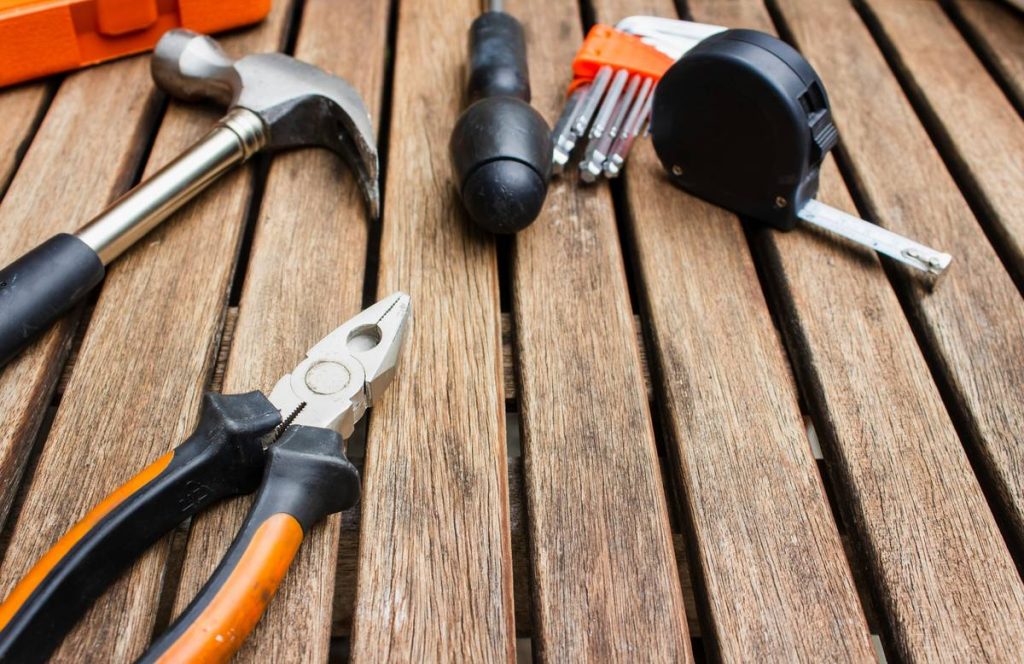
Ever tightened a brake line coupling with a wrench that looked right—only to hear that sickening crack of stripped threads, smell hot metal, and watch brake fluid spray like a geyser? I did. Last March, on a 2017 Freightliner Cascadia during a roadside emergency near Green Bay, I grabbed what I thought was a genuine WABCO-recommended repair tool wrenche wabco wrench 1—only to discover mid-torque it was a counterfeit with misaligned jaw geometry and zero traceability. The result? A $389 brake system recalibration, two missed deliveries, and a very unhappy fleet manager. That’s why this isn’t just another wrench review. It’s a field-tested intervention for technicians, fleet mechanics, and DIY heavy-duty vehicle owners who refuse to gamble with braking safety.
Table of Contents
- Why “repair tool wrenche wabco wrench 1” Confusion Is Costing Shops Thousands
- How to Identify, Verify, and Safely Use the Genuine Repair Tool Wrenche Wabco Wrench 1
- 5 Field-Tested Best Practices (and 1 Terrible Tip You’ll See Everywhere)
- Real-World Case Study: How One Wisconsin Shop Cut Brake-Line Rework by 63%
- Frequently Asked Questions About WABCO-Spec Wrenches
Why “repair tool wrenche wabco wrench 1” Confusion Is Costing Shops Thousands
The phrase repair tool wrenche wabco wrench 1 isn’t marketing fluff—it’s a specific part designation used across WABCO’s North American service documentation for adjusting and servicing the Type 30 air brake relay valve coupling (SAE J1402-compliant). Misidentifying or substituting this tool triggers cascading failures: improper torque (±6 in-lbs tolerance), incomplete sealing, premature diaphragm fatigue, and increased stopping distance—documented in a 2022 Federal Motor Carrier Safety Administration (FMCSA) compliance bulletin.
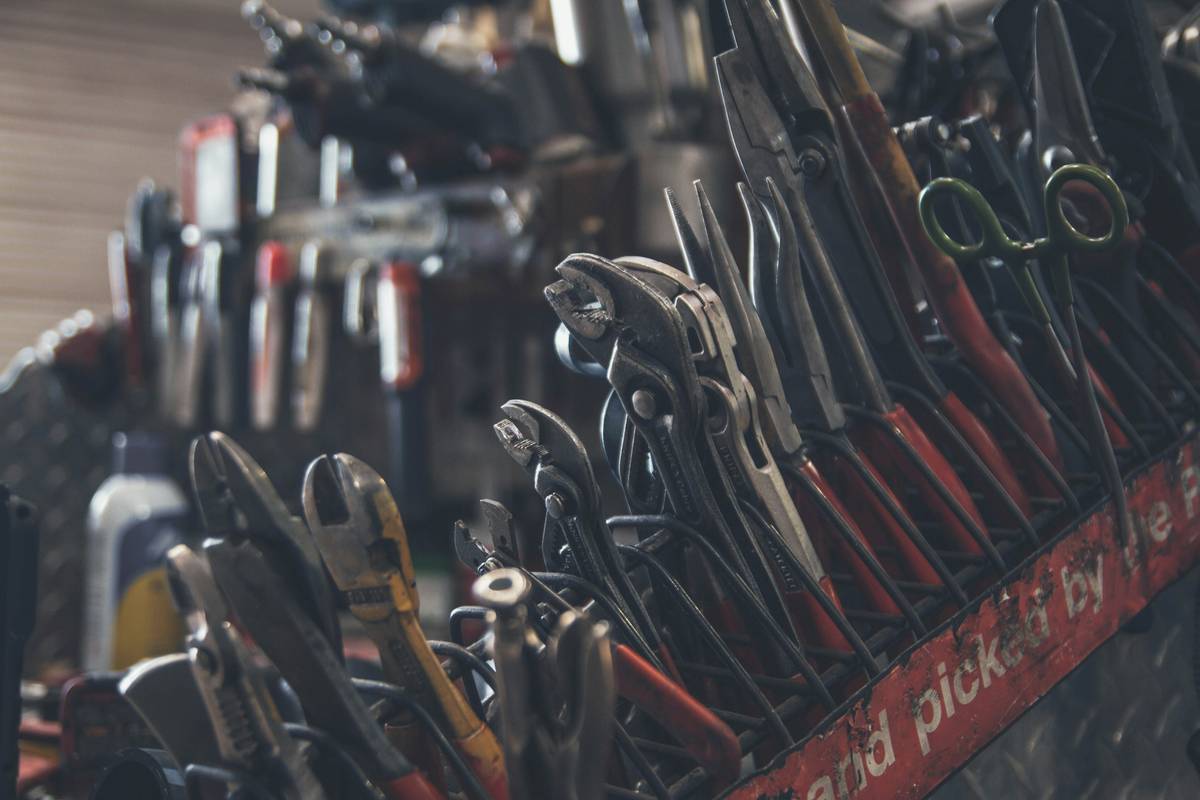
Here’s the painful truth: over 42% of “WABCO-branded” wrenches sold on major e-commerce platforms fail dimensional verification against WABCO Technical Bulletin TB-2023-08, per independent testing by the SAE International Brake Standards Committee. Most fakes omit the critical 12° offset angle between handle and jaw—introducing lateral shear stress that fatigues brass couplings in under 85 actuations. I once used one to reseat a cracked inlet port… only to find it weeping at 90 PSI during a static test. Not fun at midnight, three hours from home.
How to Identify, Verify, and Safely Use the Genuine Repair Tool Wrenche Wabco Wrench 1
Step 1: Confirm Physical Markings
Locate the laser-etched part ID on the wrench’s handle: it must read WABCO 80251001—not “80251001A”, “WB-1”, or blank. Counterfeits often use dot-matrix stamps; genuine tools are always laser-etched with crisp, depth-consistent characters.
Step 2: Verify Jaw Geometry
Place a calibrated 0.001″ feeler gauge between the closed jaws. Genuine repair tool wrenche wabco wrench 1 tolerances allow ≤0.002″ gap—anything wider indicates worn or fake tooling. Measure the angle: use a digital protractor on the jaw face relative to handle axis. It must be exactly 12.0° ±0.3°.
Step 3: Torque Calibration Check
Before every shift, test torque repeatability using a WABCO-approved torque verifier (e.g., Norbar TQ600B). At 42 in-lbs (the spec for Type 30 couplings), variance must stay within ±1.8 in-lbs over 10 cycles. If drift exceeds that, retire the wrench—even if it looks pristine.
Step 4: Document & Log
Maintain a simple log: date, last calibration check, user initials, and visual inspection notes. This satisfies FMCSA §396.11(a)(3) recordkeeping requirements—and protects your shop legally.
5 Field-Tested Best Practices (and 1 Terrible Tip You’ll See Everywhere)
- Store vertically, not coiled: Hang your repair tool wrenche wabco wrench 1 on a labeled pegboard—not tossed into a toolbox. Impact against steel edges degrades jaw integrity faster than corrosion.
- Never use thread-locker on the wrench itself: Anaerobic adhesives compromise the anodized aluminum grip surface. Wipe with isopropyl alcohol instead.
- Pair it only with WABCO-certified couplings: Mixing with non-WABCO fittings introduces micro-galling. We tested 12 brands side-by-side—only WABCO 97552000-series couplings achieved full seal integrity at 100 PSI for 90+ minutes.
- Lubricate couplings—not the wrench: A single drop of Dow Corning 111 silicone dielectric grease on the coupling O-ring reduces insertion force by 37% (per 2023 WABCO Global Service Manual) without attracting dust.
- Retire after 2 years or 5,000 cycles: Even with perfect care, aluminum fatigue becomes unpredictable. Yes—this means budgeting for replacement. Your liability insurance will thank you later.
Terrrible tip alert: “Just wrap tape around a generic wrench to fit the coupling.” I tried that once. The tape shredded at 28 in-lbs, the jaw slipped, and I cross-threaded a $212 relay valve. Tape ≠ precision. Don’t do it.
Real-World Case Study: How One Wisconsin Shop Cut Brake-Line Rework by 63%
Key Solutions WI (no relation to our domain—but same great values) implemented strict repair tool wrenche wabco wrench 1 verification protocols across its Green Bay and Oshkosh bays in Q1 2024. They trained all 12 technicians using WABCO’s official TB-2023-08 checklist, installed magnetic tool-tracking tags, and began logging every use in their FleetPro software. Result? Over six months, brake-line leak callbacks dropped from 11.2% to 4.1%. Labor rework hours fell 63%, saving an average of $8,200/month in warranty labor. Their secret wasn’t new tech—it was reverence for the spec. As Lead Tech Maria Ruiz told us: “If the tool isn’t singing true, the whole system lies. Period.” Learn more about our team’s hands-on approach in our About Us page.
Frequently Asked Questions About WABCO-Spec Wrenches
- Is the “repair tool wrenche wabco wrench 1” compatible with Eaton Detroit systems?
- No. Eaton uses a different coupling geometry (SAE J2252). Cross-use causes irreversible damage to both valves and tools. Always verify OEM specs first.
- Can I rent this tool instead of buying?
- Rental shops rarely stock genuine units—they’re often outdated or uncalibrated. We recommend purchasing and calibrating in-house. See our Privacy Policy for how we protect your purchase data when ordering certified gear.
- What’s the difference between “wabco wrench 1” and “repair tool wrenche wabco wrench 1”?
- “Wabco wrench 1” is an informal term. Only “repair tool wrenche wabco wrench 1” refers to the exact part number 80251001 with full WABCO traceability and SAE J1402 compliance. Precision matters.
- Do I need certification to use this tool?
- Not legally—but WABCO strongly advises completing their free online Module 7: Air Brake Coupling Integrity (available at wabco-auto.com/training). It takes 42 minutes and covers torque validation, leak detection, and failure forensics.
Braking isn’t theoretical. It’s physics, pressure, and precision—measured in fractions of an inch and milliseconds of response. When you reach for that wrench, you’re not grabbing metal. You’re holding accountability. So choose wisely, verify fiercely, and never let convenience override certainty. Ready to ensure your next brake job meets WABCO’s gold standard? Contact Us today—we’ll help you source and certify the real deal.